
Long before social media, graffiti writers understood something many influencers still miss today:
Visibility is not the same thing as reputation.
Anyone can be seen.
Not everyone becomes remembered.
In graffiti culture, writers like Skeme weren’t building logos—they were building mythology. Every tag, every location, every appearance contributed to a larger narrative about who they were and what they represented.
The Five Laws of Skeme Branding
1. Your Name Must Travel Further Than You Do
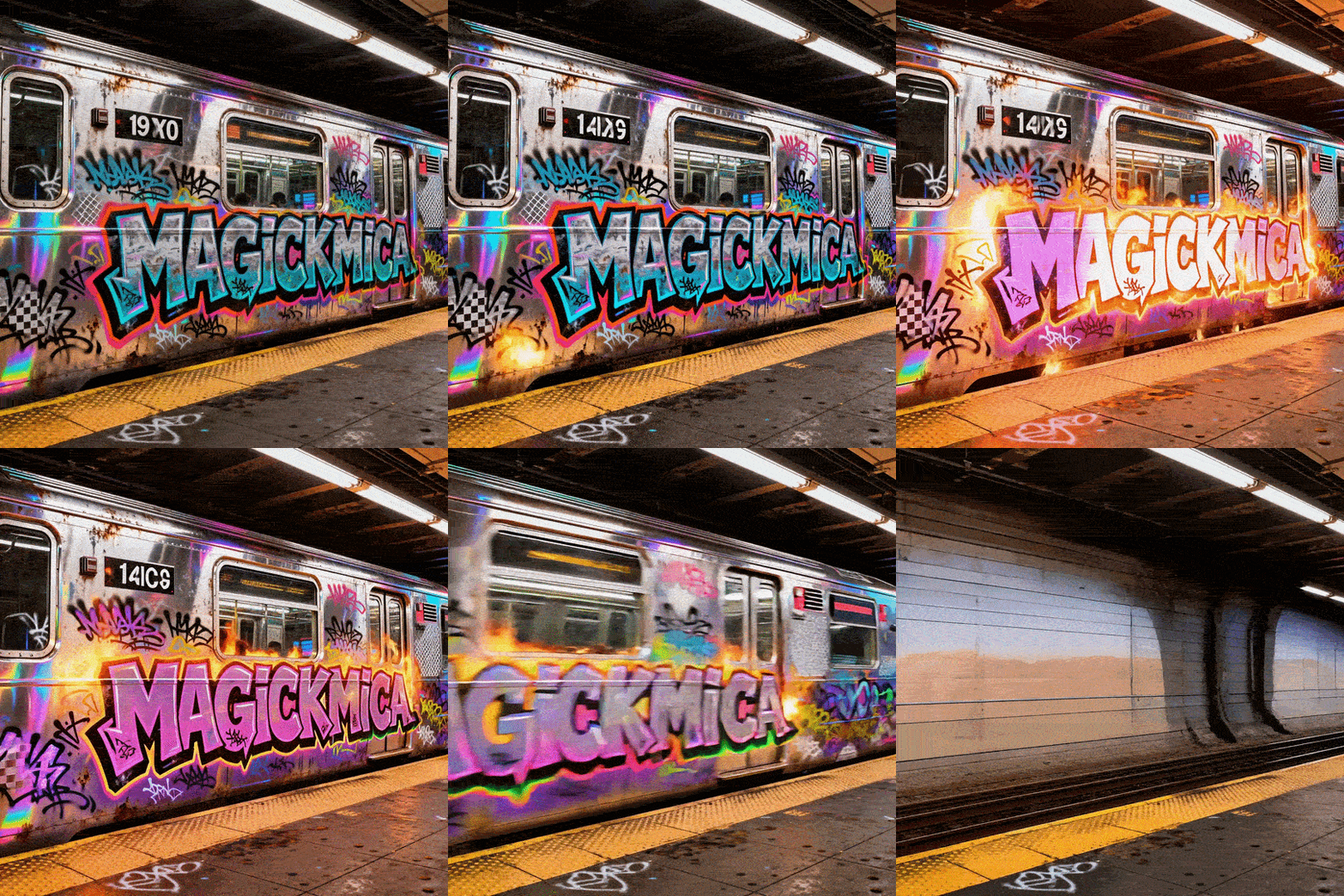
In the 1980s, a graffiti writer’s influence was measured by how often their name appeared in unexpected places.
In 2026:
Podcasts
AI search results
TikTok clips
Newsletters
Guest appearances
Collaborations
The goal isn’t constant posting.
The goal is making your ideas appear where people aren’t expecting them.
2. Consistency Creates Mythology
A single tag means nothing.
A thousand tags create a legend.
Personal brands work the same way.
People trust repeated signals.
If your audience sees:
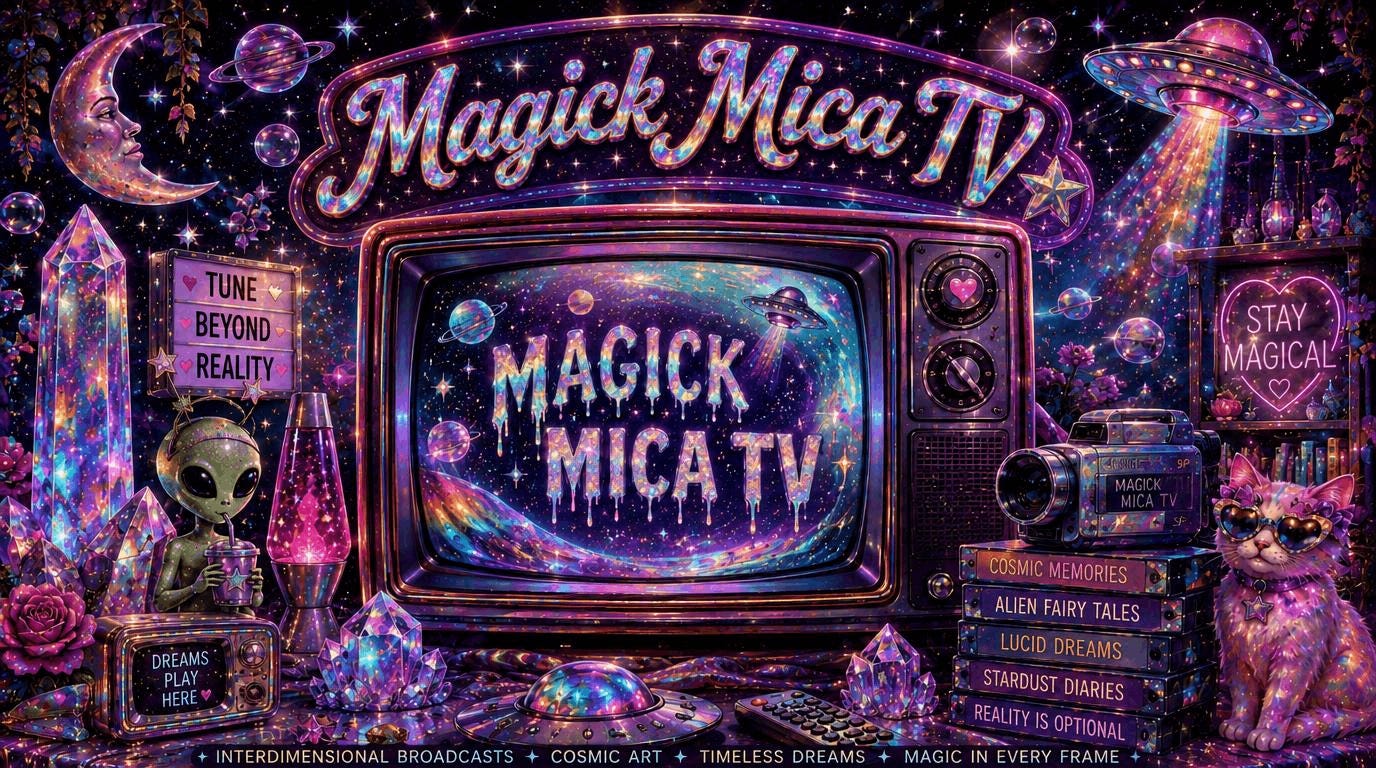
weirdcore art
digital nostalgia
fairycore aesthetics
retro internet magic
over and over again, eventually they stop asking:
“Who are you?”
and start saying:
“That’s unmistakably them.”
3. Presence Beats Perfection
Graffiti culture rewards participation.
The perfect piece hidden in a sketchbook has less cultural impact than a good piece seen by thousands.
For creators in 2026:
Finished > Perfect
Published > Planned
Seen > Polished
4. Territory Is Mental, Not Physical
Graffiti writers claimed physical space.
Modern creators claim conceptual space.
Examples:
“The Windows 95 Fairycore Person”
“The Vaporwave Egypt Historian”
“The Cosmic Tea Frog Philosopher”


The strongest personal brands own a unique combination of ideas rather than a niche.


5. Community Is the Real Canvas
The greatest writers weren’t isolated artists.
They existed within crews, rivalries, scenes, and cultural conversations.
Likewise, personal brands today are built through:
collaborations
interviews
community projects
shared worlds
audience participation

A brand grows faster when other people help tell the story.

Skeme’s philosophy teaches that personal branding is not the act of promoting yourself; it is the act of creating enough meaningful, consistent cultural signals that people begin telling your story for you.
That’s a very different approach from influencer culture.
It treats branding less like advertising and more like folklore.
And in an AI-saturated 2026, folklore may be far more valuable than visibility. Brands built on personality, mythology, and recognizable identity are harder to replicate than brands built only on content volume. Branding is ultimately the reputation and feeling people associate with you, not merely your visuals or posts.